The History of Vetom Probiotics
Research into Bacillus bacteria and the first “live” products developed from this research date back to the 1930s.
In 1939, Wehrmacht troops in Africa were confronted with the problem of dysentery. The disease affected the armies on both sides. The local Arab population was reportedly the first to find an effective remedy, using camel dung as a medicinal treatment.
Although the German soldiers were unwilling to consume it, researchers investigated the reason behind its apparent effectiveness. The active microorganism was identified as Bacillus subtilis, which is capable of inhibiting the growth and reproduction of the pathogens responsible for dysentery.
Based on this bacterium, German scientists developed a probiotic preparation that was subsequently used widely within the army to help prevent dysentery. Following the defeat of Nazi Germany, the technology used to manufacture the probiotic was acquired by the Americans.
However, the Soviet Union did not remain idle either.
Following the end of the Second World War, significant resources were devoted to developing protection against modern weapons, including biological weapons. In 1974, a large, highly confidential organization known as Mikrobioprom was established to develop biological preparations designed to protect people against biological threats, including the potential use of biological weapons.
The Mikrobioprom network brought together existing research institutes, newly established specialized microbiological research centers, and manufacturing facilities producing biological preparations. Its leading institution was the Vector research center, located in the village of Koltsovo near Novosibirsk. Even today, the scale of this facility remains impressive.
Alongside the Vector center, five additional major research institutions were established and developed. As a result, the Soviet Union rose to a leading position in the field of microbiology within a relatively short period of time.
In the early 1990s, scientists at the Vector research center achieved what was described as the world’s first successful creation of an artificial living construct—a plasmid carrying the human interferon alpha-2 leukocyte gene, which encodes one of the immune system’s key proteins. This plasmid was successfully introduced into the Bacillus subtilis bacterium.
The result was a recombinant strain capable of producing around 70 different antibiotics, as well as a wide range of enzymes and interferons. In its spore form, this strain can safely pass through the acidic environment of the stomach and the alkaline conditions of the duodenum before becoming active in the large intestine.
The probiotic preparation developed from this strain was named Subalin.
What happened next is well known. With the dissolution of the Soviet Union and the introduction of market reforms, Mikrobioprom lost government support. The Vector research center, however, remained of great interest to U.S. government agencies. For approximately three years, foreign specialists worked at the Vector facility, studying its research, conducting inspections, and collecting scientific data. Under these circumstances, Subalin was unable to gain a foothold in the market.
Much of the credit for preserving at least part of Vector’s scientific achievements belongs to Lev Stepanovich Sankhakhchiev, one of the developers of Subalin. He established several private companies from former Vector divisions, enabling them to continue their work independently under market conditions. Approximately half of these companies ultimately succeeded in surviving the transition.
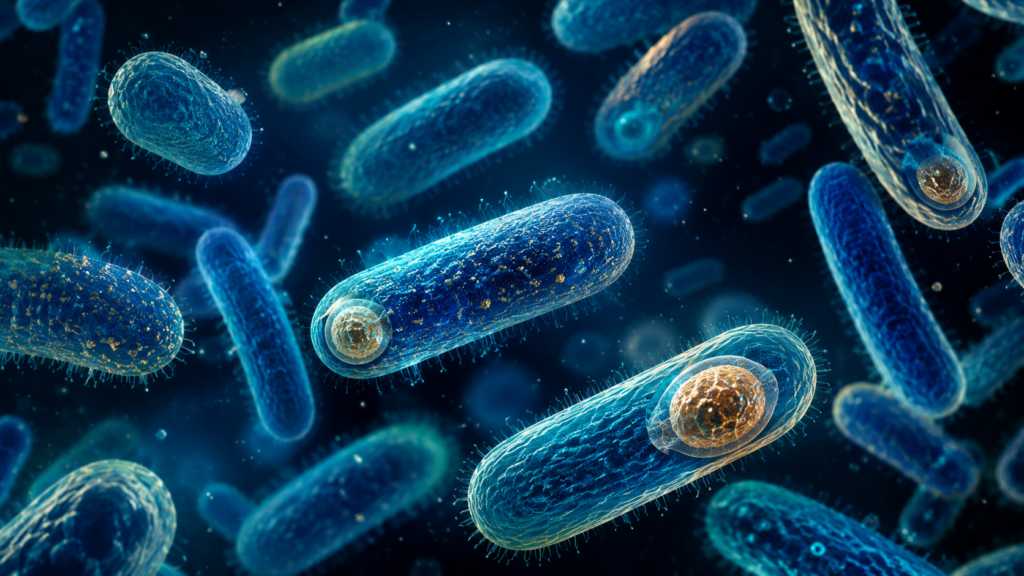
Among these companies was the Central Scientific Research Center, where microbiologist and geneticist Aleksandr Ivanovich Lelyak carried out his work. He is credited with more than 50 registered inventions in the fields of microbiology and genetics.
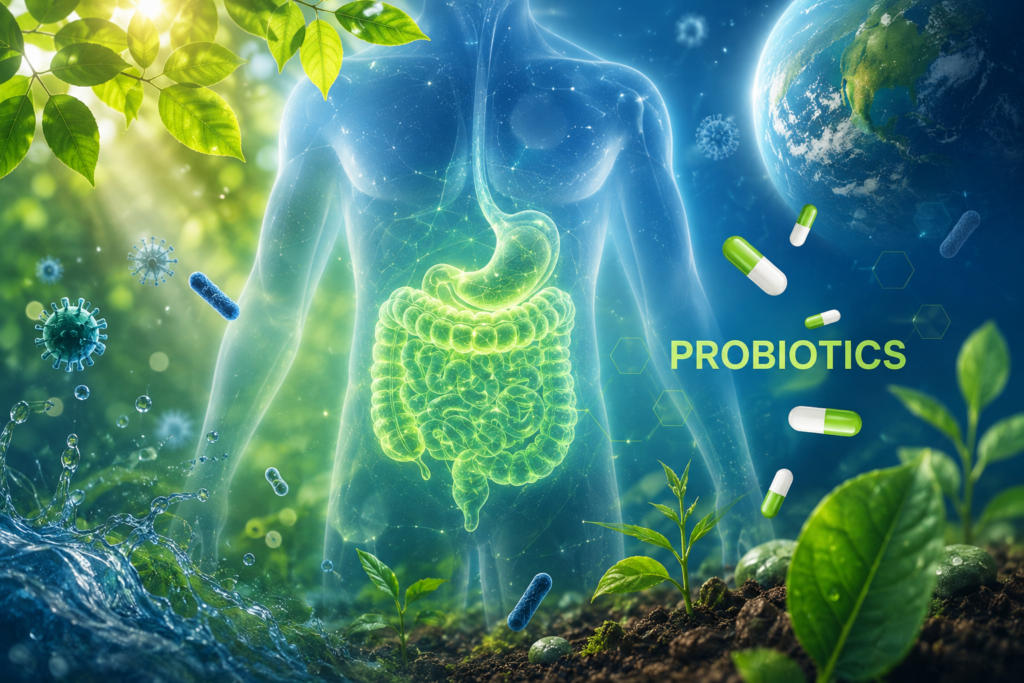
This organization assumed responsibility for the continued research, development, and production of live biological preparations. Over the past two decades, the Research Center—now employing more than 200 specialists—has successfully adapted its work to the demands of the modern market.
“Microorganisms account for approximately 90% of our planet’s biomass,” explains Aleksandr Ivanovich Lelyak. “It is fair to say that the world we live in essentially belongs to them. Many microorganisms are associated with diseases affecting humans, animals, and plants. At the same time, our own bodies are made up of approximately 2–3% microorganisms.
If we examine any part of the human body, we find distinct communities of microorganisms living there. Every part of the body has its own unique microbial ecosystem. These microorganisms help protect us against harmful environmental influences. When this natural balance is disrupted, illness may occur. Conversely, when our native microbial communities remain healthy and intact, they play a vital role in supporting the body’s natural defenses against infection.

Verified Quality

Worldwide Shipping
We deliver your order to many countries around the world.

Reliable Quality
A wide range of high-quality probiotics and specialised products.

Helpful Customer Service
We are happy to help you choose the right product if you have any questions.